

One of Earth’s Greatest Migrations Is Collapsing Beneath Our Rivers
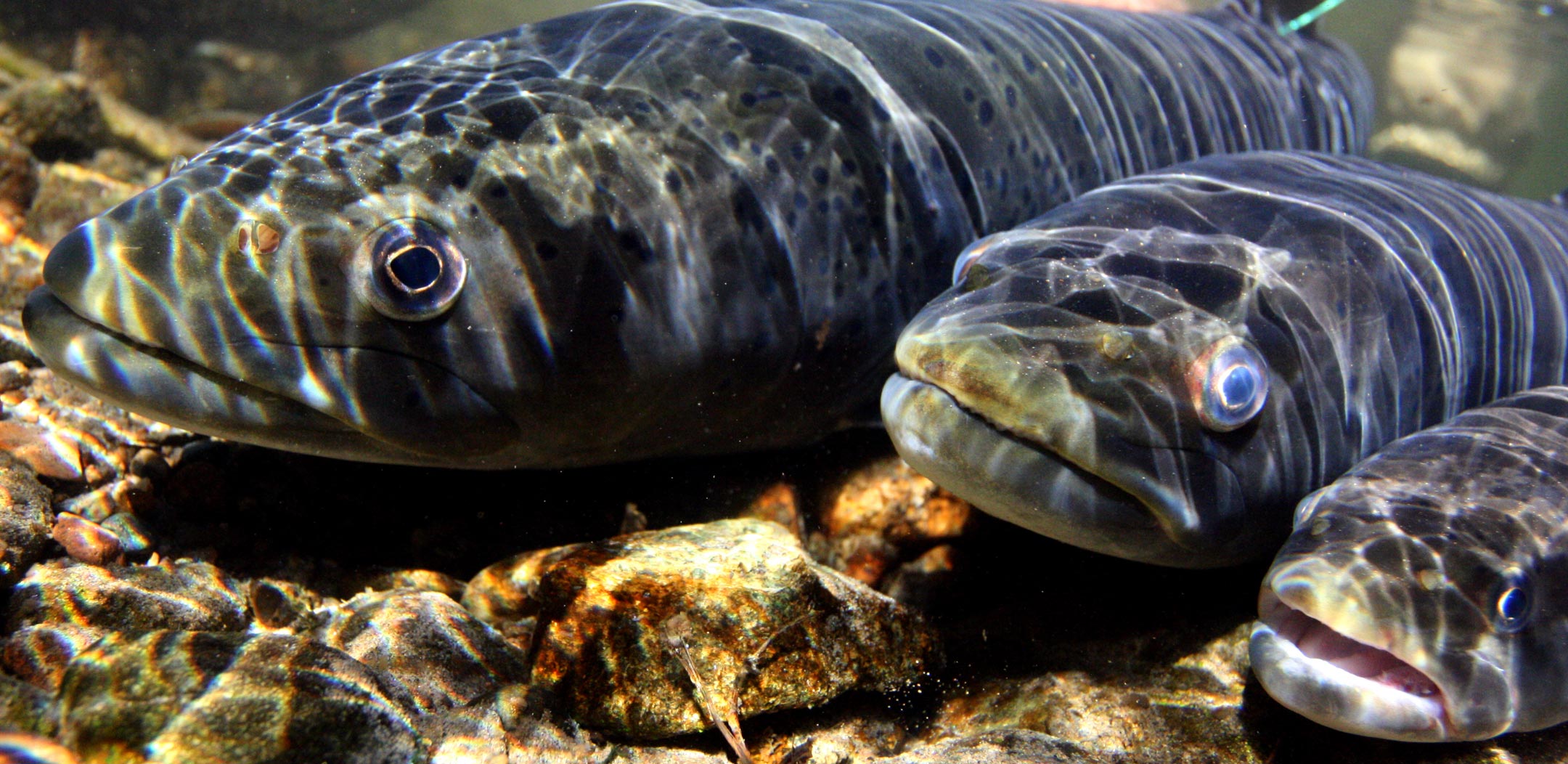
One of Earth’s greatest migrations is vanishing underwater—and almost no one is paying attention.
The world’s freshwater fish migrations—some of the longest on Earth—are collapsing fast, with populations down over 80%. Scientists say only global cooperation to reconnect rivers can prevent their disappearance.
A Hidden Crisis in Freshwater Fish Migration
Some of the longest and most vital animal migrations on Earth are happening out of sight, deep within the world’s rivers. A major new assessment from the Convention on the Conservation of Migratory Species of Wild Animals (CMS), a United Nations environmental treaty, warns that many of these migrations are now rapidly breaking down.
The Global Assessment of Migratory Freshwater Fishes, unveiled at the CMS 15th Meeting of the Conference of the Parties (COP15) in Brazil, shows that migratory freshwater fish are among the most threatened wildlife on the planet. These species play a critical role in keeping rivers healthy, supporting major inland fisheries, and providing food and livelihoods for hundreds of millions of people.
Hundreds of Species at Risk Across Borders
The report identifies hundreds of migratory fish that require coordinated international protection. It presents strong evidence that species depending on connected rivers across national boundaries are declining at an accelerating pace. Key drivers include dam construction, habitat fragmentation, pollution, overfishing, and climate-related changes to ecosystems.
In total, 325 migratory freshwater fish species are flagged as candidates for international conservation action, pointing to a largely overlooked biodiversity crisis unfolding in shared river systems around the world.
A regional breakdown of the 325 migratory freshwater fish species deemed candidates for international protection (beyond the 24 already listed) under the Convention’s Appendices I (species requiring strict protection) and II (species needing international cooperation):
- Asia: 205
- South America: 55
- Africa: 42
- Europe: 50
- North America: 32
(The total adds to more than 325 because some species occur on multiple continents.)
Priority river basins include South America’s Amazon and La Plata–Paraná, Europe’s Danube, Asia’s Mekong, Africa’s Nile, and the Indian sub-continent’s Ganges–Brahmaputra.
Prepared by CMS scientific experts using extensive global datasets and IUCN assessments of nearly 15,000 freshwater fish species, the report provides the most comprehensive overview yet of migratory freshwater fish conservation needs.
It also outlines practical tools governments can deploy immediately, including:
- protection of migration corridors and environmental flows,
- basin-scale action plans and transboundary monitoring, and
- coordinated seasonal fisheries
Rapid Decline in Freshwater Ecosystems
Freshwater species are declining faster than those on land or in the oceans, yet the collapse of migratory freshwater fish has received limited global attention.
Many of these fish depend on long, uninterrupted river routes that connect spawning grounds, feeding areas, and floodplain nurseries, often spanning multiple countries. When dams, altered river flows, or degraded habitats disrupt these pathways, populations can drop quickly.
According to the report, global populations of migratory freshwater fish have fallen by about 81% since 1970. Nearly all (97%) of the 58 CMS-listed migratory fish species (including fresh and salt-water species) are now at risk of extinction.
The new findings reinforce that hundreds of migratory freshwater fish species have an unfavourable conservation status. They also emphasize that effective protection depends on managing rivers as connected systems, rather than treating them as separate national resources.
Amazon Basin and South American Rivers Under Pressure
Host of COP15, Brazil is proposing several conservation measures related to South America’s two largest river systems, the Amazon and La Plata–Paraná.
The Amazon Basin remains one of the last great strongholds for migratory freshwater fish, but intensifying development pressures threaten that status.
A case study released along with the new global assessment identifies 20 migratory fish species in the Amazon meeting criteria for potential CMS Appendix II listing. These large long-distance migrants are flagships for the river’s migratory fish, which account for roughly 93% of fisheries landings, underpinning regional fisheries valued at an estimated US$436 million annually.
They are also famed for undertaking some of the longest freshwater migrations ever recorded. Among them is the dorado (gilded) catfish (Brachyplatystoma rousseauxii), a bottom-dweller known for its metallic gold/silver skin and impressive size (up to 2 meters / 6.5 ft), highly prized in commercial fisheries. Renowned for the longest life cycle freshwater migration of any fish, its journey spans 11,000 kilometers, from Andean headwaters to coastal nurseries.
To strengthen conservation, Brazil and other governments are proposing a Multi-species Action Plan for Amazonian Migratory Catfish (2026–2036), developed through regional cooperation involving multiple countries.
Brazil has also proposed adding the spotted sorubim catfish (Pseudoplatystoma corruscans) to CMS Appendix II, highlighting the need for coordinated action in the La Plata Basin, where they are threatened by dams, altered flows, and fishing pressures.
Together, the initiatives rank among the most ambitious international efforts yet to safeguard migratory freshwater fish species and reinforce the central purpose of CMS: conservation solutions for migratory species must operate across the full range of the species, and require international cooperation to succeed.
Experts Warn of Urgent Need for Action
Lead Author Dr. Zeb Hogan:
“Many of the world’s great wildlife migrations take place underwater. This assessment shows that migratory freshwater fish are in serious trouble, and that protecting them will require countries to work together to keep rivers connected, productive, and full of life.”
CMS Executive Secretary Amy Fraenkel:
“This new assessment highlights a major priority for the conservation of migratory species and their habitats, that has not had adequate focus to date. By aligning science, policy and international cooperation, governments can safeguard the world’s remaining great freshwater fish migrations and the communities and ecosystems that depend on them.”
World Wildlife Fund-US, Vice President and Deputy Lead of Freshwater, Michele Thieme
“Rivers don’t recognize borders — and neither do the fish that depend on them. The crisis unfolding beneath our waterways is far more severe than most people realize, and we are running out of time. Rivers need to be managed as connected systems, with coordination across borders, and investments in basin-wide solutions now before these migrations are lost forever.”
The Hidden Collapse of the World’s Great Freshwater Migrations
By the numbers
- 325: Migratory freshwater fish species identified as candidates for coordinated international conservation action under the CMS (beyond the 24 species already listed in Appendices I and II).
- 205: Species identified in Asia alone, making it the global hotspot for migratory freshwater fish at risk.
- 81%: Estimated decline in migratory freshwater fish populations worldwide since 1970, one of the steepest drops recorded for any major vertebrate group.
- 97%: Share of CMS-listed migratory fish already threatened with extinction.
- 15,000: Freshwater fish species assessed through the IUCN Red List and global datasets used to produce this assessment, the most comprehensive evidence base ever assembled for migratory freshwater fish.
- 250+: Transboundary rivers and lakes worldwide, meaning conservation success depends on cooperation between countries rather than national action alone.
- 47%: Approximate share of Earth’s land surface lying within shared river basins.
- 93%: Proportion of Amazon fisheries landings made up of migratory freshwater species, highlighting their critical role in regional food systems and livelihoods.
- US$436 million: Estimated annual value of Amazon fisheries based on migratory species
- 20: Amazon Basin species identified as meeting criteria for potential CMS Appendix II listing in the new case study.
- 10,000+ kilometres: Migration distance of the dorado (gilded) catfish — among the longest freshwater migrations ever recorded.
- 1 fundamental solution: Managing rivers as connected ecological systems rather than isolated national waterways.
Documents in English, Spanish, and French:
Never miss a breakthrough: Join the SciTechDaily newsletter.
Follow us on Google and Google News.
Source link
